Wall-Hung Toilet Problems: Concealed Cistern Leaks, Weak Flush and Loose Bowls Explained
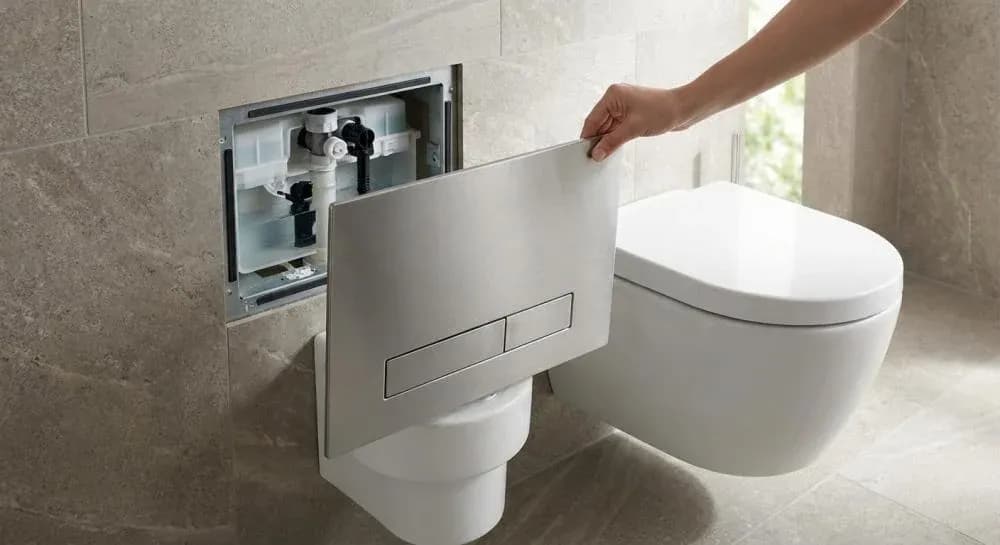
Wall-hung toilets have become a popular choice in Singapore renovations. They save space, make the bathroom floor easy to clean, and give a sleek, modern look. But because the cistern and much of the plumbing are hidden inside the wall, many homeowners worry that any problem means hacking tiles.
In most cases, it doesn't. Concealed cisterns are designed to be serviced through the opening behind the flush plate. This guide explains the most common wall-hung toilet problems, what causes them, and how they're properly repaired.
How a Wall-Hung Toilet System Works
A wall-hung toilet has three main parts:
The frame: a steel support frame fixed to the floor and wall structure, which carries the weight of the bowl and the person using it.
The concealed cistern: a plastic tank built into the frame, containing the fill valve and flush valve, just like a conventional cistern.
The flush plate and actuator: the buttons on the wall that operate the flush valve through rods, cables or a pneumatic mechanism.
The bowl is bolted to the frame through the finished wall, and connects to the waste pipe and water inlet behind it. Removing the flush plate gives access to the cistern's internal parts, which is how most repairs are done.
The Most Common Wall-Hung Toilet Problems
Problem | Likely cause | Access needed |
|---|---|---|
Water constantly trickling into the bowl | Worn flush valve seal or a fill valve not shutting off | Through the flush plate opening |
Weak or incomplete flush | Fill level set low, actuator misadjusted, or debris in the valve | Through the flush plate opening |
Flush button stuck, loose or not working | Broken or misaligned actuator rods or flush plate mechanism | Flush plate removal |
Cistern refills slowly | Partly closed isolation valve or a blocked fill valve filter | Through the flush plate opening |
Water on the floor below the bowl | Leaking waste connection or inlet connection behind the bowl | Usually bowl removal |
Bowl moves, creaks or has a gap at the wall | Loose mounting nuts or worn rubber isolation pads | Bowl removal and re-mounting |
Damp wall or tiles around the toilet | Leak inside the wall at the cistern or a connection | Needs careful diagnosis |
Running Water: The Number One Complaint
If you hear water trickling, or the bowl has a constant thin stream running down the back, the cause is almost always the same as a conventional toilet: a worn flush valve seal or a fill valve that doesn't fully shut. Hard water deposits and small debris can also stop the seal closing completely.
The fix is usually to remove the flush plate, isolate the water inside the cistern opening, and clean or replace the seal or valve. The parts are specific to each concealed cistern brand and model, so identifying the system correctly matters.
Weak Flush or Flush Button Problems
A weak flush is often caused by an incorrectly adjusted actuator, so the flush valve doesn't lift fully, or a fill level set too low. A button that sticks, feels loose or does nothing usually means:
An actuator rod has slipped out of position or snapped.
The flush plate was fitted too tightly against the wall, so the buttons are always slightly pressed.
Tiling depth wasn't accounted for during installation, so the rods are the wrong length.
Don't force a stuck flush button. Pressing harder can snap the actuator mechanism and turn a simple adjustment into a parts replacement.
A Loose or Moving Wall-Hung Toilet
A wall-hung toilet should feel completely solid. If it moves, creaks or has developed a gap between the bowl and the wall, stop using it until it's checked. Movement can:
Break the seal on the waste connection, causing hidden leaks.
Crack the porcelain bowl around the mounting holes.
In rare cases, indicate a problem with how the frame was secured during renovation.
Most of the time, the fix is to remove the bowl, check the frame and connections, replace worn isolation pads or seals, and re-mount the bowl correctly torqued.
What You Can Check Yourself
Listen for trickling and look for a thin stream down the back of the bowl.
Check the flush plate sits evenly and the buttons spring back fully after pressing.
Look for damp at the base of the wall and on tiles near the toilet.
Gently test for movement by pressing the front of the bowl. It shouldn't shift at all.
Unless you're comfortable working with the specific concealed cistern system, internal repairs are best left to a professional. Parts are delicate, and a poorly reassembled cistern can leak inside the wall.
Why Professional Repair Matters for Concealed Systems
With an exposed cistern, a mistake is visible and easy to correct. With a concealed cistern, a small leak inside the wall can go unnoticed for weeks, slowly damaging the wall, tiles and possibly the floor waterproofing. A careful repair includes:
Identifying the cistern system so the correct parts are used.
Isolating the water at the cistern's internal valve.
Repairing or replacing the faulty valve, seal or actuator.
Adjusting the fill level and actuator so the flush is complete and buttons work properly.
Testing several flushes and checking for leaks before refitting the flush plate.
Planning a Wall-Hung Toilet in Your Renovation?
Many wall-hung toilet problems are actually installation problems that only show up months later. If you're renovating, a few decisions now will save you trouble:
Choose a concealed cistern system with good parts availability. Valves, seals and actuators wear over time, so it should be easy to get the right replacements years from now.
Plan the wall depth before tiling. The actuator and flush plate are set for a specific finished wall thickness. Tiles that are thicker or thinner than planned cause stuck or weak buttons.
Keep the access opening usable. Don't let tiles or fittings block removal of the flush plate.
Test before closing up. The cistern, inlet and waste connections should be filled, flushed and checked for leaks before the wall is finished.
Set the bowl height for your household. One advantage of wall-hung toilets is adjustable mounting height, so choose what's comfortable, especially for elderly family members.
Asking these questions during renovation is far easier than fixing them later through a small access panel.
Tips to Avoid Wall-Hung Toilet Problems
Keep the installation manual and brand details of your concealed cistern after renovation. It makes finding the right parts much easier later.
Don't use the bowl as a step or seat for heavy loads beyond normal use.
Avoid harsh in-cistern chemical tablets, which can degrade seals.
Fix a trickle early. A small leak inside the cistern is easy; water inside the wall isn't.
Quick Answers
Do you need to hack the wall to repair a concealed cistern?
Usually not. Most repairs, including valves, seals and actuators, are done through the opening behind the flush plate.
Can a wall-hung toilet fall off the wall?
A properly installed frame is very strong. But if the bowl moves or the mounting has loosened, get it checked promptly and avoid using it until it's secured.
Wall-Hung Toilet Giving You Trouble?
HTR Engineering repairs running, leaking and loose wall-hung toilets. See our Wall-Hung Toilet Repair service. For other leaks, see Toilet Leakage Repair, or contact us with a photo of your flush plate and we'll advise you.
Found this helpful? Share it.
Need a Hand With This?
- Plumbing Services
Reliable plumbing services in Singapore for leaks, chokes, taps, toilets and water heaters. One call covers most household plumbing jobs in HDB flats, condos and landed homes.
- Water Heater Installation & Repair
Professional water heater installation and repair in Singapore. We replace old storage heaters, install instant heaters and fix no hot water, leaks and tripping issues.
- Pipe Leakage Repair
Fast pipe leakage repair in Singapore for leaking inlet pipes, concealed pipes, joints and fittings. We find the source and fix it properly to stop water damage.
- Kitchen Sink Choke
Quick kitchen sink choke clearing in Singapore. We remove grease, food waste and blockages in the sink trap and pipes so your sink drains freely again.
- Toilet Bowl Choke
Fast toilet bowl choke clearing in Singapore. We clear blocked toilets caused by tissue, wipes and foreign objects — hygienically and without damaging the bowl.
- Toilet Leakage Repair
Fast toilet leakage repair in Singapore. We fix running cisterns, leaking flush valves, base leaks and inlet leaks to save water and protect your floor.