Door Repair Guide for Singapore Homes: Sagging, Sticking and Swollen Doors, Loose Hinges and Faulty Locks
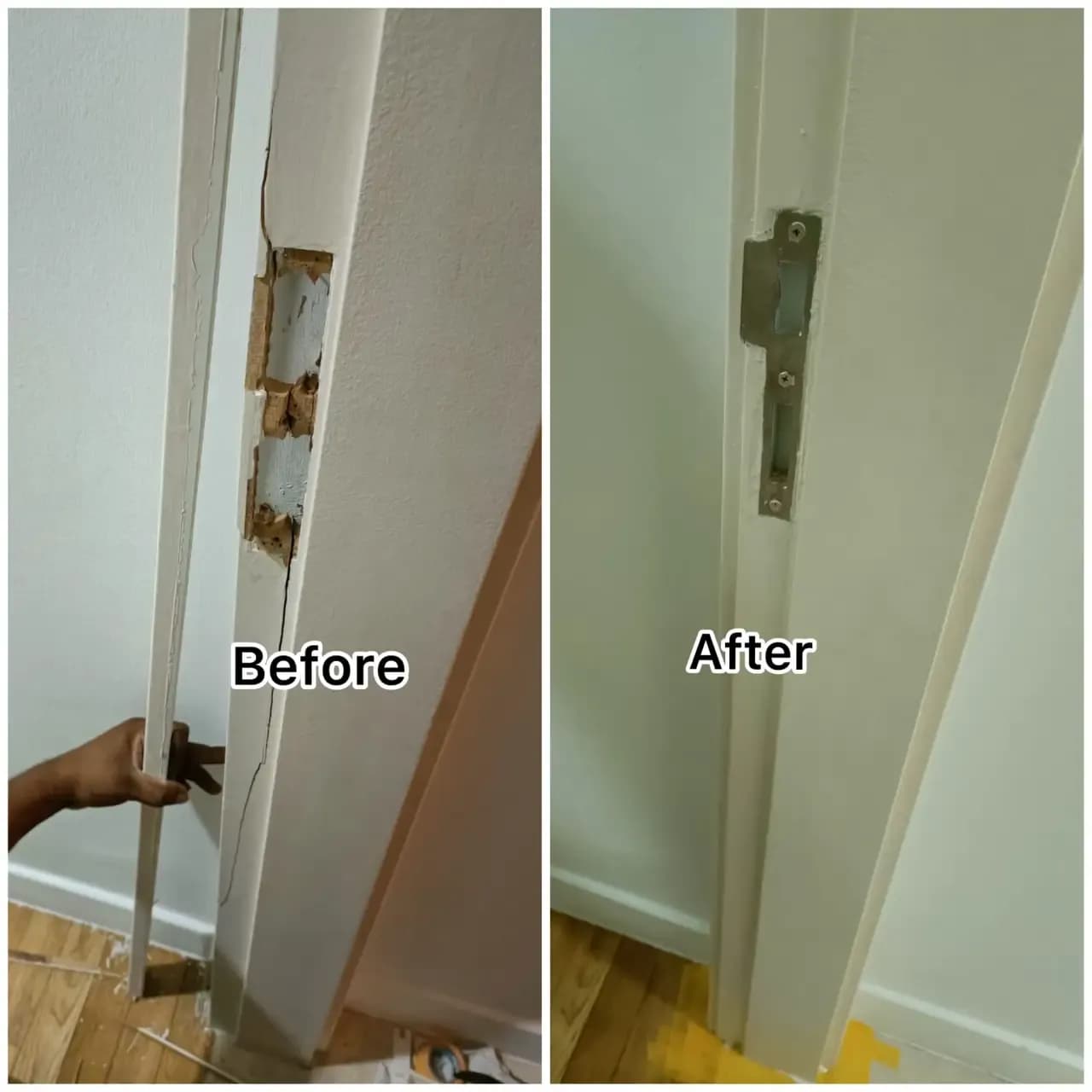
Doors are opened and closed thousands of times a year, slammed by wind, leaned on, and exposed to Singapore's constant humidity. It's no surprise they eventually start to stick, sag, rattle or refuse to latch. Most homeowners live with a misbehaving door for months, but many door problems are quick to fix once you understand the cause.
This guide covers the most common door problems in Singapore homes, the real reasons behind them, what you can safely fix yourself, and when it's time to call a handyman.
Diagnose the Problem First
Close the door slowly and watch carefully. Where it rubs, drops or fails to catch tells you most of what you need to know.
What happens | Likely cause | Typical fix |
|---|---|---|
Door rubs the frame at the top corner on the latch side | Loose top hinge, door sagging | Tighten or re-fix hinge screws |
Door scrapes the floor | Sagging door, or new flooring that's thicker than before | Re-hang, adjust hinges, or trim the door bottom |
Door sticks everywhere, worse on rainy days | Swollen door from moisture | Plane edges and seal the door properly |
Door won't latch | Latch and strike plate misaligned | Adjust or reposition the strike plate |
Door swings open or shut on its own | Door not hung plumb, hinges misaligned | Hinge adjustment |
Squeaking hinges | Dry or dirty hinge pins | Clean and lubricate |
Key hard to turn, lock stiff | Worn or dirty lock cylinder, misalignment | Lubricate, align, or replace the cylinder |
Handle loose or droops | Loose fixing screws or broken return spring | Tighten or replace the lever set |
Why Doors Swell in Singapore
Many interior doors are made from timber, or from a core material faced with laminate or veneer. When the edges of a door are unsealed, especially the top and bottom edges that nobody sees, the door absorbs moisture from the air and swells.
In Singapore's humid climate, this is especially common for:
Bathroom doors, exposed to steam and splashes every day.
Doors whose bottom edge was trimmed during flooring work and never resealed.
Doors near kitchens and service yards with frequent moisture.
Trimming a swollen door without sealing the cut edge only fixes it temporarily: the raw edge absorbs even more moisture, and the door swells again. Some heavily water-damaged doors, especially with a soft or crumbling core, can't be saved and need replacement.
Fixes You Can Safely Try Yourself
1. Tighten the hinge screws
Open the door and check every hinge screw, on both the door and the frame side. A loose top hinge is the most common reason a door sags and rubs. If a screw just spins without tightening, the hole is stripped.
Stripped screw hole? A common fix is to pack the hole with wooden toothpicks or a matchstick and wood glue, let it dry, trim it flush, and re-drive the screw. For a stronger fix, use a longer screw that reaches into solid timber behind the frame.
2. Lubricate squeaky hinges
Wipe dust off the hinge and apply a little lubricant to the pin. Open and close the door several times to work it in, then wipe away excess.
3. Adjust the strike plate
If the latch doesn't catch, look for scratch marks showing where the latch hits. If it's slightly off, you can sometimes file the strike plate opening a little larger. If it's far off, the plate needs repositioning, or the door is sagging and the hinges need attention first.
4. Lubricate a stiff lock
Use a lubricant suitable for lock cylinders, not cooking oil, which attracts dirt and makes the problem worse. Insert the key and turn it a few times.
When to Call a Handyman
The door needs planing or trimming, which requires the door to be removed, cut accurately and resealed.
The door frame itself is loose, cracked or damaged.
Hinges need replacing or the door needs re-hanging.
The lock or lockset is faulty, especially on a main door where security matters.
The door has water damage, delamination or a crumbling core.
A door closer slams the door or doesn't close it fully.
Sliding and Folding Doors
Sliding and folding doors have their own set of problems, usually caused by the track and rollers rather than the door itself:
Hard to slide or jerky movement: dirt, sand or debris in the bottom track, or worn rollers. Vacuuming and cleaning the track often helps immediately.
Door jumps off the track: worn or misadjusted rollers, or a bent track.
Door doesn't close flush or lock properly: rollers need height adjustment, or the lock keeper has shifted.
Folding door sagging: loose pivot hinges or worn top guides.
Never force a sliding door that's stuck. Heavy glass panels can come off the track suddenly. Roller replacement and track adjustment are best done by someone experienced.
Help Your Handyman Help You
A few details make a door repair faster and more accurate:
A short video of the door opening and closing, showing where it rubs or fails to latch.
Whether the problem is new or gradual, and whether it's worse in wet weather.
Any recent renovation or flooring work near the door.
For lock problems, a photo of the lockset and key, plus the brand if visible.
A Note on Main Doors
Main entrance doors deserve extra care. In HDB flats, the main door is a fire-rated door, which plays a role in fire safety for your home and neighbours. If a main door needs to be replaced, the replacement must meet the applicable fire-rating requirements. Check HDB's current guidelines before replacing an HDB main door, and avoid modifications that could compromise its rating, such as cutting large openings.
For repairs like realigning hinges, fixing the closer, or replacing a worn lock cylinder, the door itself stays in place, but the work should still be done carefully so the door closes and seals properly.
Repair or Replace the Door?
Repair usually makes sense when
The problem is with hinges, latch, strike plate, lock or closer.
The door is structurally sound with minor swelling.
You like the door and it matches the rest of your home.
Replacement usually makes sense when
The door is warped, delaminated or rotten.
The core is water-damaged or crumbling.
It has been trimmed so many times that it no longer fits the frame properly.
You're upgrading, for example to a more moisture-resistant bathroom door.
Prevent Door Problems
Check and tighten hinge screws once or twice a year.
Make sure all door edges, including top and bottom, are properly sealed or painted.
Improve bathroom ventilation to reduce moisture reaching the door.
Don't hang heavy bags or hooks on doors not designed for the load.
Use door stoppers to prevent doors slamming against walls in windy conditions.
Quick Answers
Why does my door only stick on rainy days?
The door absorbs moisture from humid air and expands slightly. Sealing all edges, including top and bottom, reduces this.
Can a sagging door be fixed without replacing it?
Usually yes. Most sagging comes from loose hinge screws or worn hinges, which can be re-fixed or replaced.
Door Giving You Trouble?
HTR Engineering repairs sticking, sagging and damaged doors, hinges, latches and locks. See our Door Repair Services, or contact us with a short video of the door opening and closing. It's the quickest way for us to understand the problem.
Found this helpful? Share it.
Need a Hand With This?
- Plumbing Services
Reliable plumbing services in Singapore for leaks, chokes, taps, toilets and water heaters. One call covers most household plumbing jobs in HDB flats, condos and landed homes.
- Water Heater Installation & Repair
Professional water heater installation and repair in Singapore. We replace old storage heaters, install instant heaters and fix no hot water, leaks and tripping issues.
- Pipe Leakage Repair
Fast pipe leakage repair in Singapore for leaking inlet pipes, concealed pipes, joints and fittings. We find the source and fix it properly to stop water damage.
- Kitchen Sink Choke
Quick kitchen sink choke clearing in Singapore. We remove grease, food waste and blockages in the sink trap and pipes so your sink drains freely again.
- Toilet Bowl Choke
Fast toilet bowl choke clearing in Singapore. We clear blocked toilets caused by tissue, wipes and foreign objects — hygienically and without damaging the bowl.
- Toilet Leakage Repair
Fast toilet leakage repair in Singapore. We fix running cisterns, leaking flush valves, base leaks and inlet leaks to save water and protect your floor.