Replacing a Toilet Bowl in Singapore: How to Choose the Right Bowl and Measure Before You Buy
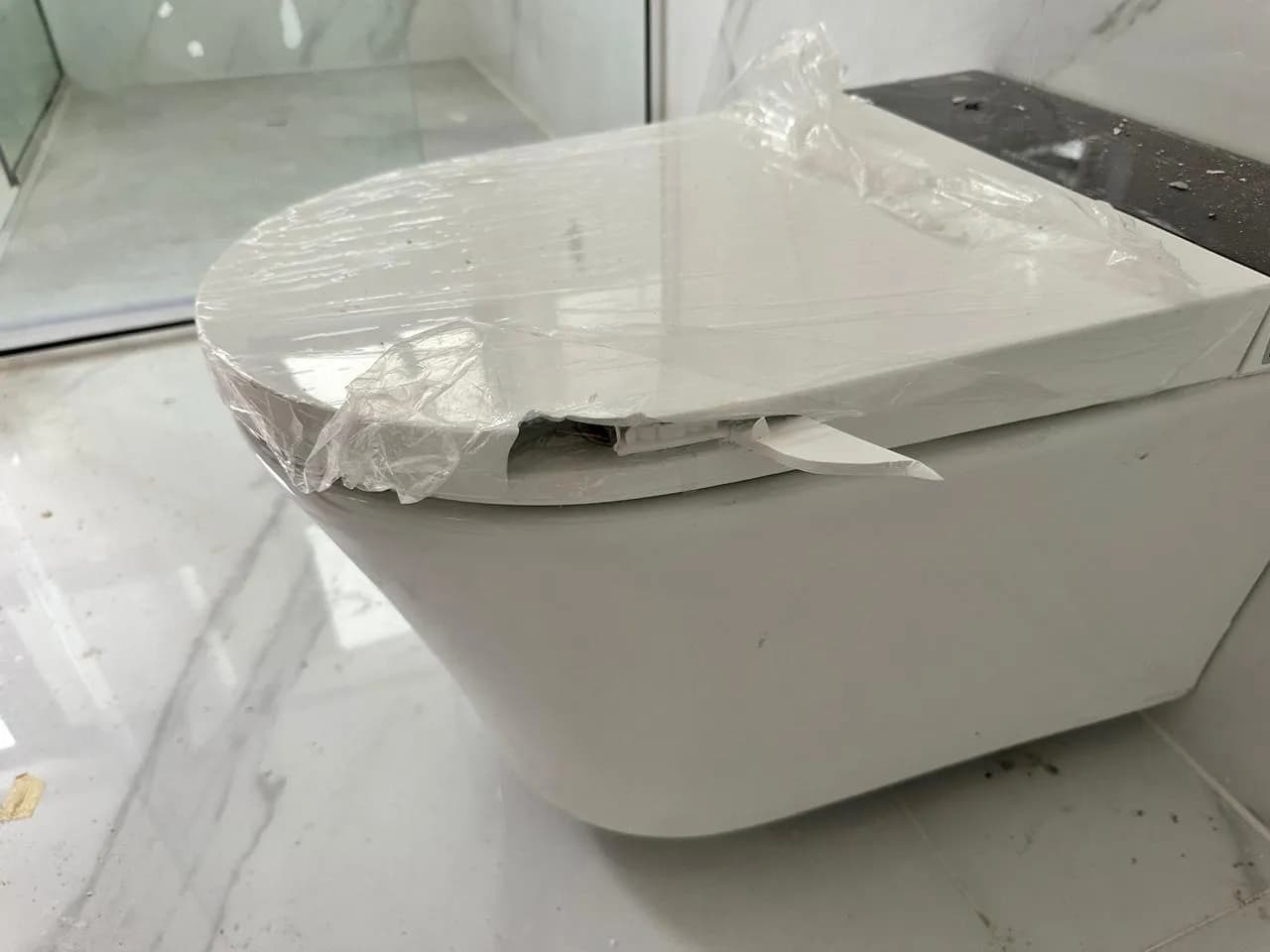
A cracked bowl, a toilet that never flushes properly, or simply a dated bathroom: there are plenty of good reasons to replace a toilet bowl. But one of the most common mistakes homeowners make is buying a bowl before checking whether it will fit their existing plumbing. A bowl that looks perfect in the showroom can end up useless if the outlet type or distance is wrong.
This guide explains exactly what to check before you buy, how to compare your options, and what a proper installation should include.
When Is It Time to Replace Your Toilet Bowl?
Not every toilet problem needs a new bowl. Many issues are fixed by replacing a valve or seal. Replacement makes sense when:
The bowl or cistern is cracked, even with a hairline crack that seeps water.
The toilet chokes frequently because of a poor trapway design, even after the drain has been cleared.
Replacement parts for the cistern are no longer available.
The flush is consistently weak and adjustments haven't helped.
You want a more water-efficient or easier-to-clean design.
You're renovating and want the toilet to match a new bathroom.
Floor Outlet vs Wall Outlet: The Most Important Check
Every toilet bowl has an outlet that connects to the waste pipe. In Singapore homes you'll find two main types:
Floor outlet (S-trap) | Wall outlet (P-trap) | |
|---|---|---|
Where the waste pipe is | In the floor, behind the bowl | In the wall, behind the bowl |
How to identify it | No visible pipe between the bowl and the wall; the connection is hidden under the bowl | A connector pipe runs from the back of the bowl into the wall |
Key measurement | Distance from the finished wall to the centre of the floor outlet | Height from the finished floor to the centre of the wall outlet |
You generally need to buy the same outlet type you already have. Converting from one type to another usually means changing the waste pipework, which is a much bigger job.
How to Measure for a Floor Outlet Toilet
The critical measurement is often called the "rough-in" or "pit distance": the distance from the finished wall (the tile surface, not the brick behind it) to the centre of the floor waste pipe.
If your old bowl is still in place, measure from the wall to the centre of the bolt caps at the base. They usually line up with the outlet centre.
If the bowl has been removed, measure from the tiled wall to the centre of the floor pipe opening.
Measure from the tile surface, not the skirting, if there is one.
Write the measurement down and bring it, plus a photo, when shopping.
Manufacturers list compatible rough-in distances for each model. A bowl with the wrong distance will either leave a large gap at the wall or simply won't sit over the outlet. Some models offer adjustable connectors that fit a range of distances, which can be very helpful in older homes.
Also check the space around the bowl: measure the distance to the side wall, vanity or shower screen and the space in front, so the new bowl doesn't block a door or feel cramped.
How to Measure for a Wall Outlet Toilet
For a wall outlet bowl, measure the height from the finished floor to the centre of the wall waste pipe. The new bowl's outlet height needs to line up with it, with the connector making up only a small difference. Also measure the distance from the wall to where the bowl's front will sit, to check it fits your space.
One-Piece vs Two-Piece Toilets
One-piece | Two-piece | |
|---|---|---|
Design | Bowl and cistern moulded as one unit | Separate cistern bolted onto the bowl |
Cleaning | Easier, with no gap between cistern and bowl | The joint between parts collects dirt |
Leak points | Fewer | Extra seal between cistern and bowl |
Handling | Heavier, single piece | Easier to carry and position |
Cost | Often higher | Often lower |
If your bathroom has very limited space or you want a floor that's completely clear for cleaning, a wall-hung toilet is another option, but it requires a concealed cistern frame built into the wall, which is a renovation-level change.
Features That Actually Matter
Water efficiency: toilets sold in Singapore carry a water efficiency label under PUB's Water Efficiency Labelling Scheme. More ticks means less water used per flush.
Dual flush: a half flush and a full flush save water day to day.
Trapway and flushing design: a well-designed, glazed trapway reduces the chance of chokes. Read reviews or ask about choke performance, not just looks.
Rimless bowls: no hidden rim for bacteria to collect under, so they're easier to clean.
Soft-close seat: prevents slamming and reduces seat wear.
Bowl height: a slightly higher bowl can be more comfortable for elderly family members.
Spare parts availability: valves and seals will eventually need replacing. Choose a brand with parts readily available.
Your Pre-Purchase Checklist
Before you head to the showroom or order online, make sure you have:
The outlet type: floor or wall.
The rough-in distance (floor outlet) or outlet height (wall outlet), measured from the finished surface.
Photos of the old toilet from the front, side and behind, including the stop valve.
The available space to the sides and in front of the bowl.
The door width along the delivery path. One-piece toilets are bulky and need to fit through.
If you're unsure about any measurement, it's worth having it checked before buying. Returning a heavy ceramic toilet is a hassle, and some sellers don't accept returns once delivered.
What a Proper Installation Involves
Toilet installation looks simple, but most problems with new toilets, such as leaks at the base, rocking bowls and smells, come from rushed installation. A proper job includes:
Isolating the water and removing the old bowl carefully, without damaging the floor tiles or waste pipe.
Cleaning and inspecting the outlet, removing old sealant and checking the waste pipe for cracks.
Fitting a new outlet seal or connector: never reuse the old one.
Setting the bowl level and secure so it doesn't rock. A rocking bowl breaks its seal over time.
Connecting the water supply with a new inlet hose, and checking the stop valve works.
Adjusting the cistern fill level and flush.
Testing multiple flushes and checking the base, inlet and cistern joints for leaks before sealing the base neatly.
Ask what will be done with your old toilet bowl. Disposal of the old unit should be agreed upfront so it isn't left behind.
Common Mistakes to Avoid
Buying by appearance alone without checking outlet type and distance.
Measuring from the brick wall instead of the finished tile surface.
Reusing the old outlet seal or inlet hose to "save time".
Sealing the base completely before testing for leaks, which hides future leaks.
Overtightening the floor bolts, which can crack the porcelain.
Quick Answers
How long does a toilet bowl replacement take?
A straightforward like-for-like replacement is usually completed within a few hours, including testing. Complications such as damaged outlets or tiles can add time.
Can I change from a floor outlet to a wall outlet toilet?
It's possible but usually involves changing the waste pipework, and possibly hacking tiles. It's best done as part of a bathroom renovation.
Need a New Toilet Bowl Installed?
HTR Engineering removes old bowls and installs new ones properly sealed, levelled and leak-tested. See our Toilet Bowl Installation service. If your current toilet keeps choking, our Toilet Bowl Choke service may solve it without replacement. Contact us with a photo of your toilet and outlet, and we'll advise you before you buy.
Found this helpful? Share it.
Need a Hand With This?
- Plumbing Services
Reliable plumbing services in Singapore for leaks, chokes, taps, toilets and water heaters. One call covers most household plumbing jobs in HDB flats, condos and landed homes.
- Water Heater Installation & Repair
Professional water heater installation and repair in Singapore. We replace old storage heaters, install instant heaters and fix no hot water, leaks and tripping issues.
- Pipe Leakage Repair
Fast pipe leakage repair in Singapore for leaking inlet pipes, concealed pipes, joints and fittings. We find the source and fix it properly to stop water damage.
- Kitchen Sink Choke
Quick kitchen sink choke clearing in Singapore. We remove grease, food waste and blockages in the sink trap and pipes so your sink drains freely again.
- Toilet Bowl Choke
Fast toilet bowl choke clearing in Singapore. We clear blocked toilets caused by tissue, wipes and foreign objects — hygienically and without damaging the bowl.
- Toilet Leakage Repair
Fast toilet leakage repair in Singapore. We fix running cisterns, leaking flush valves, base leaks and inlet leaks to save water and protect your floor.