Hidden Pipe Leaks in Singapore Homes: How to Detect Them Early and What to Do
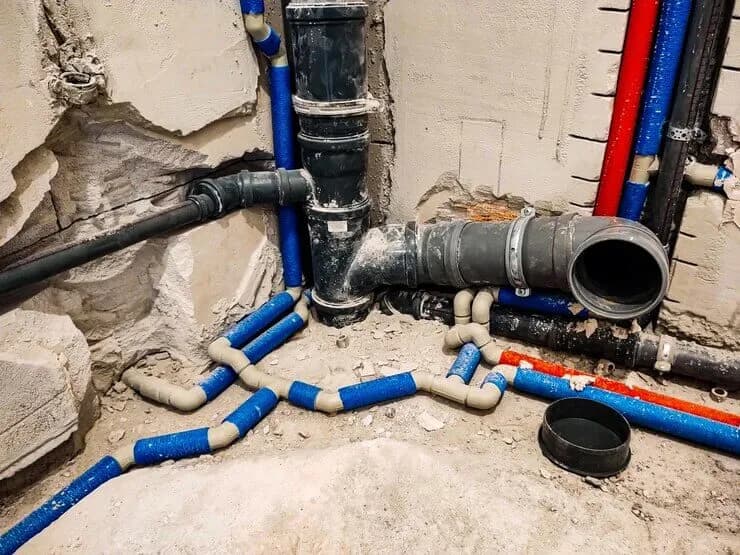
Not every leak drips where you can see it. Some of the most expensive plumbing problems start inside a wall, under a bathroom floor or above a false ceiling, quietly leaking for weeks before anyone notices. By the time a stain appears, the water may already have damaged plaster, cabinets or the waterproofing layer under your tiles.
The good news is that hidden leaks almost always leave clues. This guide shows you how to confirm a leak using your water meter, where leaks most often hide in Singapore homes, who is typically responsible, and what to do next.
Early Warning Signs of a Hidden Pipe Leak
Watch for these signs, especially if more than one appears at the same time:
A water bill that jumps without any change in how your household uses water.
Damp patches, bubbling paint or peeling wallpaper on walls near bathrooms or the kitchen.
Loose, hollow-sounding or cracked tiles, or grout that stays dark and damp.
A musty smell or mould growing in one area even with good ventilation.
The sound of running water when all taps are off.
Lower water pressure at one or more taps.
Your downstairs neighbour reporting a ceiling stain or dripping.
One sign alone may have another explanation. Two or three together strongly suggest a leak.
The Water Meter Test: Confirm a Leak in 30 Minutes
Your water meter is the simplest leak detector you have. In HDB flats it's usually located in the meter compartment along the common corridor; in condos and landed homes, location varies.
Make sure every tap, shower, toilet and appliance using water is off, including the washing machine and any water filter.
Wait a few minutes for toilet cisterns to finish refilling.
Take a photo of the meter reading, including the small dials or the low-flow indicator.
Don't use any water for 30–60 minutes.
Check the meter again. If the reading has moved, water is escaping somewhere.
Narrow it down: If the meter moves, turn off the stop valves to each toilet and repeat the test. If the meter now stays still, the "leak" is a running toilet, not a pipe. If it still moves, the leak is likely in the supply pipes.
Where Hidden Leaks Usually Hide
Location | What typically fails | Common clue |
|---|---|---|
Behind the shower wall | Concealed mixer connections or supply pipe joints | Damp wall on the other side of the bathroom |
Under the bathroom floor | Floor trap connections, waste pipe joints, or failed waterproofing | Ceiling stain in the unit below |
Under the kitchen sink | Trap joints, tap connections, flexible hoses | Swollen cabinet base, musty smell |
Behind the washing machine | Inlet hose or tap connection | Damp floor behind the machine |
Above the false ceiling | Storage water heater connections or pipes | Stain or sagging ceiling board |
Inside walls (older homes) | Corroded old metal pipes | Rusty marks, bubbling paint along a line |
What Causes Pipes to Leak?
Pipes rarely fail for no reason. The most common causes we see are:
Ageing joints and fittings: rubber seals harden and threaded joints loosen over years of use and temperature changes.
Corrosion in older metal pipes: older homes may still have metal pipes that corrode from the inside, especially at joints.
Renovation damage: a nail, screw or drill bit that clips a concealed pipe may not leak immediately, but can fail later.
Poor workmanship: joints that weren't properly sealed or pressure-tested before being tiled over.
Hot water stress: pipes and fittings near water heaters expand and contract daily, which wears connections faster.
Supply Leaks vs Waste Leaks
Understanding the difference helps you describe the problem and know how urgent it is:
Supply pipe leaks carry pressurised clean water. They leak constantly, 24 hours a day, so they move your water meter and can cause damage quickly.
Waste pipe leaks carry used water from sinks, showers and toilets. They only leak when that fixture is used, so they won't move your water meter, but they can still cause serious damage and smells over time.
If your meter test shows nothing but you still see damp patches, suspect a waste pipe, floor trap or waterproofing problem.
Who Is Responsible for the Repair?
Responsibility depends on where the leak is and what type of property you live in. As a general guide:
Pipes serving only your unit, including those inside your walls and floors, are generally the owner's responsibility.
Common pipes, such as main vertical stacks in common areas, are generally managed by the Town Council (HDB) or the MCST (condos).
Ceiling leaks between floors in HDB flats have their own process. HDB investigates inter-floor leaks, and in many cases repair costs are shared between the upper and lower flat owners. Check HDB's latest guidance for your situation.
If you're not sure, contact your Town Council or condo management early. They can tell you whether the pipe in question is a common pipe before you spend money on repairs.
What to Do When You Find a Leak
Limit the damage. If water is actively leaking, turn off the main stop valve to your unit and move belongings away.
Protect electrical points. If water is near sockets, switches or a water heater, switch off the affected circuit at your DB box.
Document everything. Take photos of stains, meter readings and damage. They're useful for your repair, your neighbour, and any insurance claim.
Tell your neighbour if the leak may be affecting their unit.
Get it inspected before cosmetic repairs. Repainting over a stain without fixing the source just hides it for a few weeks.
How Professionals Find and Fix Hidden Leaks
A good repair starts with accurate diagnosis, not with hacking open the wall to "have a look". A professional will typically:
Isolate sections of the plumbing to narrow down which line is leaking.
Check visible joints and fittings around the suspect area first.
Test individual fixtures, such as showers, floor traps and waste outlets, to separate supply leaks from waste or waterproofing problems.
Open only what's necessary once the location is confirmed, repair or replace the faulty section, then pressure-test or flow-test before closing up.
Depending on the cause, the fix may be as simple as replacing a joint or hose, or may involve replacing a length of old pipe or redoing bathroom waterproofing.
Preventing Pipe Leaks
Do the water meter test every few months. It takes 30 minutes and costs nothing.
Replace flexible hoses under sinks, toilets and washing machines when they show rust, kinks or bulges.
Don't ignore small drips under cabinets. They rarely fix themselves.
Before renovating an older home, consider having old concealed pipes inspected or replaced while walls and floors are open.
Make sure renovation contractors pressure-test new pipework before tiling over it.
Quick Answers
Can a leak exist if my water meter doesn't move?
Yes. Waste pipe leaks and waterproofing failures only leak when water is used, so they won't show on the meter test.
Is a small damp patch worth worrying about?
Yes. A small visible patch is often the edge of a larger wet area inside the wall or floor. Early inspection is cheaper than repairing spreading damage.
Suspect a Hidden Leak?
HTR Engineering can help locate the source and repair it properly. Learn more about our Pipe Leakage Repair service, or for general plumbing faults, our Plumbing Services. Contact us with photos of the damp area and your meter test result, and we'll advise the next step.
Found this helpful? Share it.
Need a Hand With This?
- Plumbing Services
Reliable plumbing services in Singapore for leaks, chokes, taps, toilets and water heaters. One call covers most household plumbing jobs in HDB flats, condos and landed homes.
- Water Heater Installation & Repair
Professional water heater installation and repair in Singapore. We replace old storage heaters, install instant heaters and fix no hot water, leaks and tripping issues.
- Pipe Leakage Repair
Fast pipe leakage repair in Singapore for leaking inlet pipes, concealed pipes, joints and fittings. We find the source and fix it properly to stop water damage.
- Kitchen Sink Choke
Quick kitchen sink choke clearing in Singapore. We remove grease, food waste and blockages in the sink trap and pipes so your sink drains freely again.
- Toilet Bowl Choke
Fast toilet bowl choke clearing in Singapore. We clear blocked toilets caused by tissue, wipes and foreign objects — hygienically and without damaging the bowl.
- Toilet Leakage Repair
Fast toilet leakage repair in Singapore. We fix running cisterns, leaking flush valves, base leaks and inlet leaks to save water and protect your floor.