Kitchen Sink Choke in Singapore: Causes, Safe DIY Fixes and When to Call a Plumber
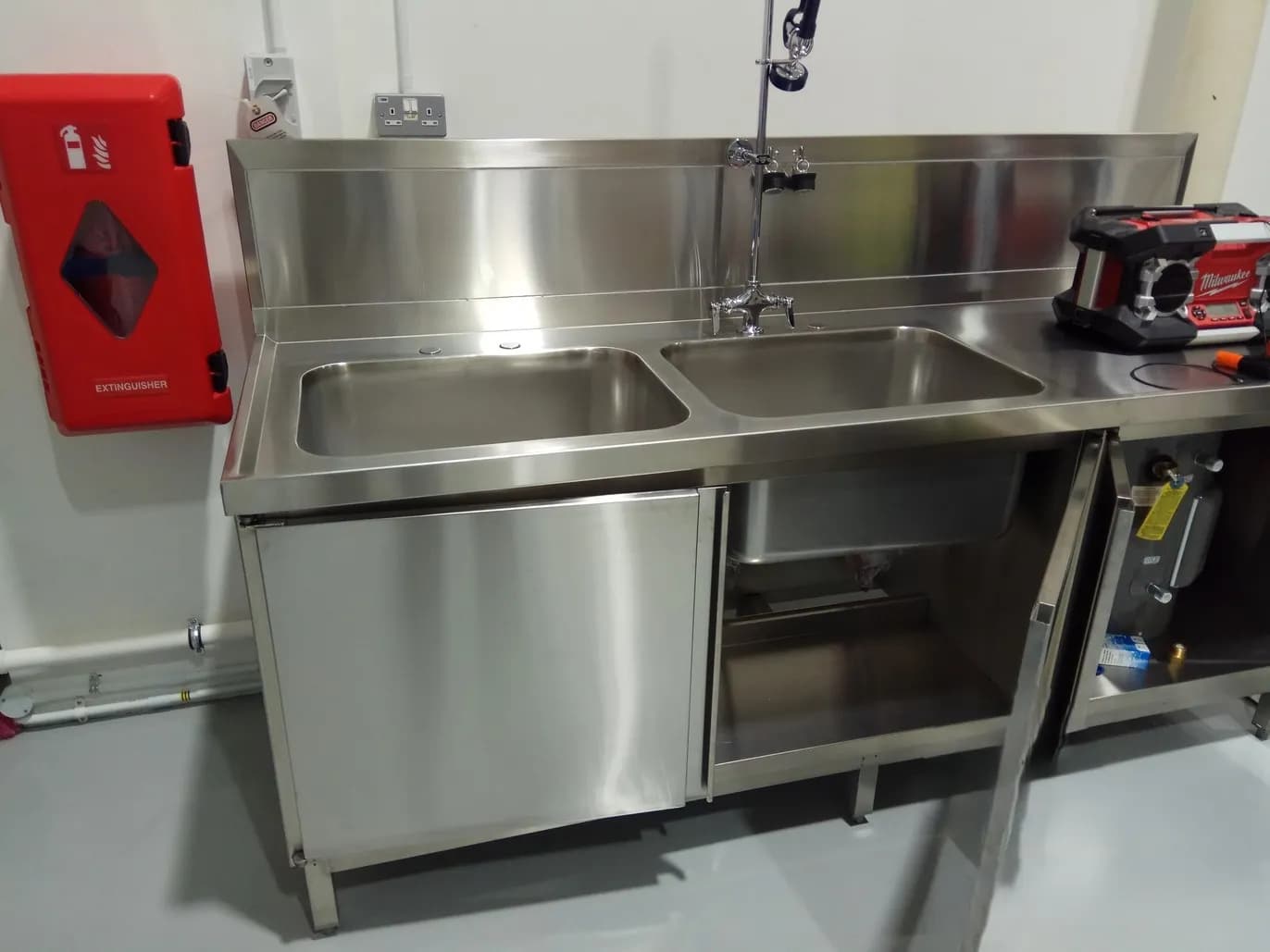
A kitchen sink that drains slowly on Monday is often fully choked by Friday. In Singapore homes, where we cook daily with oil, rice and sauces, the kitchen sink takes more punishment than any other drain in the house. The good news: many early-stage chokes can be cleared safely in under 30 minutes. The bad news: the wrong "fix" can turn a simple blockage into a damaged pipe and a much bigger repair bill.
This guide explains what actually causes a kitchen sink choke, how to tell a minor blockage from a serious one, the safe steps you can try yourself, and the exact signs that mean it's time to call a plumber.
Why Kitchen Sinks Choke in Singapore Homes
Most chokes are not caused by one big object. They build up slowly, layer by layer, until water can no longer pass. The usual culprits are:
Cooking oil and grease (FOG). Fats, oils and grease are liquid when hot but cool and harden inside the pipe. They coat the pipe wall and act like glue for everything else.
Rice, noodles and starchy food. Starch swells with water and forms a paste that sticks to the grease layer.
Coffee grounds and tea leaves. They don't dissolve and settle in the bend of the trap.
Eggshells, bones and vegetable peel. Small pieces slip past the strainer and collect in the trap.
Soap scum and detergent residue. These combine with grease to form a hard, waxy build-up over months.
In a typical HDB or condo kitchen, water flows from the sink into a bottle trap or P-trap under the basin, through a short branch pipe, and then into a floor trap or the building's vertical stack. Most household chokes sit in the trap or the first metre of branch pipe, which is why they can often be cleared without breaking anything.
Is It a Minor Blockage or a Serious Choke?
Before reaching for a plunger, look at the symptoms. They tell you a lot about where the blockage is and how urgent it is.
What you notice | Likely cause | Urgency |
|---|---|---|
Water drains slowly but eventually clears | Partial build-up in the trap | Low: try the DIY steps below |
Gurgling sound when draining | Partial blockage or poor venting | Medium: will get worse |
Bad smell from the sink even when clean | Rotting food and grease trapped in the pipe | Medium |
Water does not drain at all | Full blockage in trap or branch pipe | High |
Floor trap overflows when you use the sink | Blockage further down the line | High: call a plumber |
Water leaking inside the sink cabinet | Loose or cracked trap joint, sometimes from pressure behind a choke | High: risk of cabinet and floor damage |
Safe Fixes You Can Try Yourself
If the sink is draining slowly or has just stopped, work through these steps in order. Stop if you see any leak or cracked fitting.
1. Clear the strainer and remove standing water
Take out the sink strainer and clean it. Scoop standing water into a pail so you can see what you're working with. Wear gloves: chokes are not pleasant.
2. Use hot (not boiling) water with dish soap
Pour a generous squeeze of dishwashing liquid into the drain, then slowly pour a kettle of hot, but not boiling, water. Detergent helps break down grease, and hot water softens it. Avoid boiling water if your trap and pipes are PVC: repeated boiling water can soften joints and cause leaks.
3. Plunge it properly
Use a cup plunger (the flat-bottomed sink type, not a toilet plunger). Fill the sink with a few centimetres of water so the plunger seals. If you have a double sink, block the other drain with a wet cloth or stopper; otherwise the pressure escapes through the second basin and nothing moves. Plunge firmly 10–15 times, then check.
4. Clean the bottle trap or P-trap
This is the step that clears most kitchen chokes. Place a pail under the trap, unscrew the trap by hand (most are hand-tight plastic fittings), and empty the contents. Clean the inside with an old toothbrush, check the rubber washers are seated correctly, and reassemble hand-tight only. Run water for a minute and check for drips.
Tip: Take a photo of the trap before you remove it. It makes reassembly much easier, and it's useful if you end up calling a plumber.
What Not to Do
Some popular "hacks" make chokes worse or create new problems:
Don't rely on strong chemical drain cleaners. Caustic products can damage older pipes and rubber seals, rarely dissolve a grease plug completely, and leave a dangerous chemical pool for whoever has to open the pipe next.
Don't mix products. Mixing different drain chemicals, or chemicals with bleach, can release harmful fumes.
Don't push a wire hanger hard down the pipe. It can compact the blockage further or scratch and puncture plastic pipes.
Don't keep running water "to push it through". If the blockage is further down, you may flood the floor trap or cabinet.
Signs It's Time to Call a Plumber
DIY has limits. Call a professional if:
The sink is still choked after you've cleaned the trap. The blockage is deeper in the branch pipe.
Your floor trap or another fixture backs up when you use the sink.
The same choke returns within weeks. This often points to poor pipe slope, a sagging pipe, or heavy grease build-up along the line.
You see water damage, swelling or mould inside the sink cabinet.
There is a persistent sewage-like smell even after cleaning.
If several units in your block are experiencing chokes at the same time, the problem may be in the shared vertical stack. In HDB estates this is usually handled by your Town Council; in condos, by the management (MCST). It's worth checking with them first.
How a Professional Clears a Kitchen Sink Choke
When we attend a kitchen sink choke, the process is straightforward and focused on finding the real cause, not just making water flow again:
Inspect the sink, trap, branch pipe and nearby floor trap to locate the blockage.
Remove and clean the trap, checking washers and joints for wear.
Clear the line with the right tool for the pipe size and depth of the blockage, such as a drain auger or snake.
Flush and test by running water for several minutes and checking every joint for leaks.
Advise you if something needs fixing, such as a worn trap, a poorly sloped pipe, or a fitting that will keep causing chokes.
How to Prevent Kitchen Sink Chokes
Wipe greasy pans and plates with kitchen paper before washing.
Collect used cooking oil in a container and dispose of it with your rubbish, never down the sink.
Use a fine-mesh strainer and empty it after every wash.
Once a week, pour hot water with dish soap down the drain to keep grease moving.
Clean the bottle trap every few months, more often if you cook daily.
Quick Answers
Can baking soda and vinegar clear a choked sink?
It can help with light odour and minor build-up, but it rarely clears a real grease or food blockage. Mechanical cleaning of the trap is far more effective.
Why does my sink smell even after it drains?
Grease and food stuck inside the trap and pipe decompose. Cleaning the trap usually solves it. If not, the smell may be coming from a dry floor trap or a deeper blockage.
Is a kitchen sink choke an emergency?
A slow drain isn't. A sink that won't drain, backs up into the floor trap, or leaks into the cabinet should be fixed promptly to avoid water damage.
Need Help With a Choked Kitchen Sink?
If you've tried the steps above and the water still won't go down, HTR Engineering can help. See our Kitchen Sink Choke service, or if the problem is further down the line, our Kitchen Drain Choke service. Not sure which you need? Contact us with a photo of the problem and we'll advise the right fix.
Found this helpful? Share it.
Need a Hand With This?
- Plumbing Services
Reliable plumbing services in Singapore for leaks, chokes, taps, toilets and water heaters. One call covers most household plumbing jobs in HDB flats, condos and landed homes.
- Water Heater Installation & Repair
Professional water heater installation and repair in Singapore. We replace old storage heaters, install instant heaters and fix no hot water, leaks and tripping issues.
- Pipe Leakage Repair
Fast pipe leakage repair in Singapore for leaking inlet pipes, concealed pipes, joints and fittings. We find the source and fix it properly to stop water damage.
- Kitchen Sink Choke
Quick kitchen sink choke clearing in Singapore. We remove grease, food waste and blockages in the sink trap and pipes so your sink drains freely again.
- Toilet Bowl Choke
Fast toilet bowl choke clearing in Singapore. We clear blocked toilets caused by tissue, wipes and foreign objects — hygienically and without damaging the bowl.
- Toilet Leakage Repair
Fast toilet leakage repair in Singapore. We fix running cisterns, leaking flush valves, base leaks and inlet leaks to save water and protect your floor.